




FREE DINNER EBOOK! Get your copy!
  • Cookie Policy
  • GDPR Policy
  • Disclaimer
  • Terms Of Use
  • Visit my other site: Fun Cookie Recipes
quick dish kitchen
  • Home
  • Dinner
  • Desserts
  • Drinks
  • Appetizers
  • Contact
  • About
  • Privacy Policy
  • Home
  • Dinner
  • Desserts
  • Drinks
  • Appetizers
  • Contact
  • About
  • Privacy Policy
  • Cookie Policy
  • GDPR Policy
  • Disclaimer
  • Terms Of Use
Visit my other site: Fun Cookie Recipes
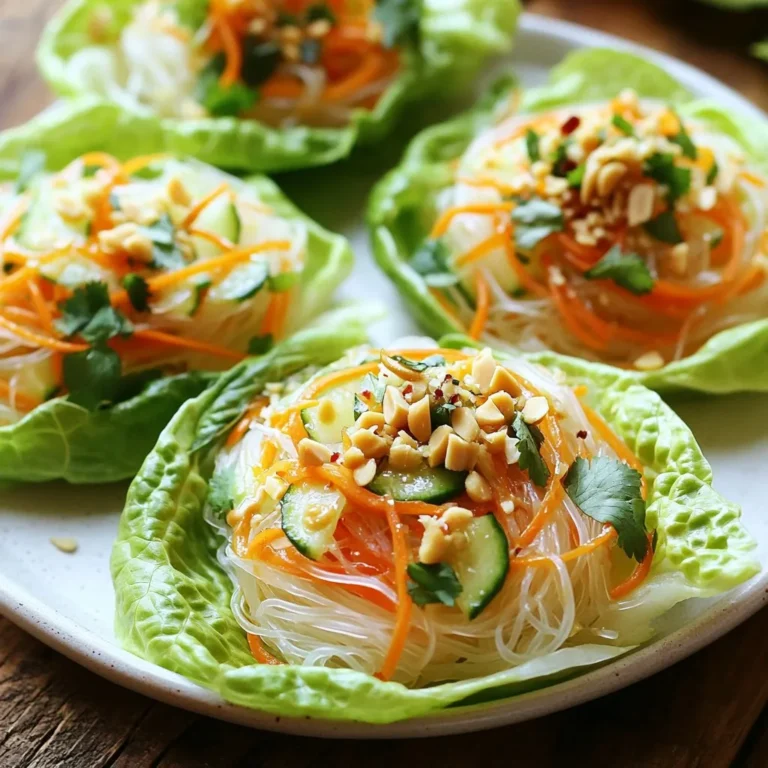
- 8 ounces rice noodles - 1/4 cup creamy peanut butter - 2 tablespoons soy sauce (or tamari for gluten-free) - 1 tablespoon sesame oil - 1 tablespoon lime juice - 1 teaspoon grated ginger - 1 clove garlic, minced - 1 cup shredded carrots - 1 cup red bell pepper, julienned - 1 cup cucumber, thinly sliced - 8 large lettuce leaves - Chopped peanuts and fresh cilantro for garnish To create Peanut Noodle Lettuce Wraps, gather these main ingredients. The rice noodles serve as the base. The creamy peanut butter gives richness and flavor. Soy sauce adds saltiness, while sesame oil brings a nutty taste. Lime juice adds a fresh zing. Grated ginger and minced garlic add depth to the sauce. Then, the colorful veggies like carrots, bell pepper, and cucumber add crunch and nutrition. - Alternative vegetables for extra crunch - Spices or herbs to enhance flavor You can customize your wraps with optional ingredients. Try adding different veggies for more color and texture. Consider using radishes, snap peas, or even bean sprouts. Spices can give a kick; add chili flakes or sriracha for heat. Fresh herbs like mint or basil can brighten the dish. - Recommended garnishes - Pairing ideas (side dishes, drinks) For serving, sprinkle chopped peanuts and fresh cilantro on top. This adds a lovely crunch and a burst of flavor. Pair these wraps with a light side salad or some steamed edamame for balance. For drinks, iced tea or a light beer complements the meal well. Enjoy the fresh, vibrant flavors of these wraps! {{ingredient_image_1}} To cook rice noodles, follow the package instructions. Usually, you boil them in water for about 5–7 minutes. Stir gently to prevent sticking. Once cooked, drain the noodles in a colander. Rinse them under cold water. This stops the cooking and cools them down quickly. Make sure to toss them lightly to avoid clumping. To make a smooth peanut sauce, mix the following in a bowl: - 1/4 cup creamy peanut butter - 2 tablespoons soy sauce - 1 tablespoon sesame oil - 1 tablespoon lime juice - 1 teaspoon grated ginger - 1 clove garlic, minced Use a whisk or fork to blend well. If the sauce is too thick, add a splash of water. This will help reach your desired consistency. Taste the sauce and adjust it to your liking. A little more lime juice can add brightness! For the wraps, take a large lettuce leaf. Place a generous amount of the noodle mixture in the center. To fill, use about half a cup of noodles and veggies. Then, sprinkle with chopped peanuts and fresh cilantro for extra crunch and flavor. To fold the wrap, lift the sides of the lettuce leaf up and over the filling. You want to create a little pocket. Serve the wraps on a plate. They look great when arranged neatly, ready for your guests! - Overcooking noodles: Cooking rice noodles too long makes them mushy. Follow the package time closely. Rinse them under cold water right after cooking. This stops the cooking and keeps them firm. - Not mixing sauce adequately: A good sauce is key. If you don't mix it well, some bites might taste bland. Make sure to blend the peanut butter, soy sauce, and other ingredients until smooth. This ensures every noodle has flavor. - Suggestions for adding spice: If you like heat, try adding chili flakes or sriracha. A little goes a long way. Start small, then taste. You can always add more if you want. - Fresh herbs and citrus options: Fresh cilantro adds brightness to your wraps. Try adding mint or basil for a twist. A squeeze of lime juice before serving can also elevate the flavor. It adds a fresh zing that balances the richness of the peanut sauce. - Prepping noodles and filling in advance: You can cook the noodles and make the filling a day ahead. Just store them separately in the fridge. This saves time when you're ready to serve. - Best practices for storage until serving: Keep everything in airtight containers. This keeps the noodles from drying out. When you're ready, just assemble the wraps. This keeps the lettuce crisp and fresh. Pro Tips Use Cold Noodles: After cooking, rinsing the noodles under cold water not only stops the cooking process but also makes them easier to handle and helps the sauce adhere better. Adjust Sauce Consistency: If your peanut sauce is too thick, adding a splash of water or extra lime juice can help achieve the perfect consistency for coating the noodles. Fresh Herbs Matter: Garnishing with fresh cilantro adds a burst of flavor and freshness to the wraps, elevating the dish to a new level. Experiment with Veggies: Feel free to add or substitute other veggies like bell peppers, radishes, or snap peas for added color and crunch in your wraps. {{image_2}} You can easily make these wraps plant-based. Just swap the soy sauce with tamari for a gluten-free meal. For protein, try using tofu or tempeh. Both options soak up flavors well. Simply cube firm tofu or tempeh and sauté until golden. Toss them into the noodle mix for a hearty bite. To keep this meal gluten-free, choose rice noodles or other gluten-free varieties. Always check the labels of sauces. Many soy sauces contain gluten, so look for tamari or coconut aminos. These provide great flavor without gluten. For an Asian-inspired twist, add different sauces like hoisin or sweet chili. You can mix in other veggies like bell peppers, snap peas, or shredded cabbage for crunch. Try adding shrimp or chicken for extra protein. Feel free to get creative with flavor combinations! To keep your peanut noodle lettuce wraps fresh, store them in proper containers. I recommend using airtight containers. These help seal in moisture and flavor. Place the noodles and veggies in one container and the peanut sauce in another. This keeps everything from getting soggy. Store your leftovers in the fridge. They will stay good for up to three days. Always check for any signs of spoilage before eating. If the noodles smell or look off, it’s best to toss them. When reheating, I suggest using a microwave or a stovetop pan. For the microwave, place the noodles on a plate and cover them with a damp paper towel. This helps keep them moist and prevents drying out. Heat in short bursts to avoid overcooking. If using a pan, add a splash of water to the noodles. Stir them over medium heat until warm. Always ensure the food reaches a safe temperature of 165°F for safe eating. You can freeze the peanut sauce or noodles separately. For the sauce, place it in a freezer-safe bag. Squeeze out the air before sealing. For the noodles, cook them slightly less than usual to keep them firm after thawing. Thaw the sauce in the fridge overnight before using. For noodles, run them under warm water to separate. They will taste just as good when you’re ready to eat again! Yes, you can use other noodles if you want. Soba noodles are a great choice. They add a nice flavor and work well. Zucchini noodles are another fun option. They are low in carbs and fresh. Just remember to cook soba noodles for a few minutes. For zucchini, you can spiralize and serve them raw. These wraps can last about three days in the fridge. Keep them in an airtight container to stay fresh. Look for signs like wilting leaves or a sour smell. If you see those, it’s best to toss them out. If you need a peanut butter alternative, try sunflower seed butter. It has a similar creamy texture. You can also use almond butter or cashew butter if you like. Just check for nut allergies before you serve. This blog post covered how to make tasty lettuce wraps using rice noodles and peanut sauce. We discussed key ingredients and different options for spices and veggies. I shared steps to cook the noodles, mix the sauce, and assemble the wraps perfectly. Keep these tips to enhance flavor and avoid common mistakes. You can adapt this dish for diet needs, and I shared how to store leftovers for later. Enjoy making these easy and delicious wraps at home!
Appetizers
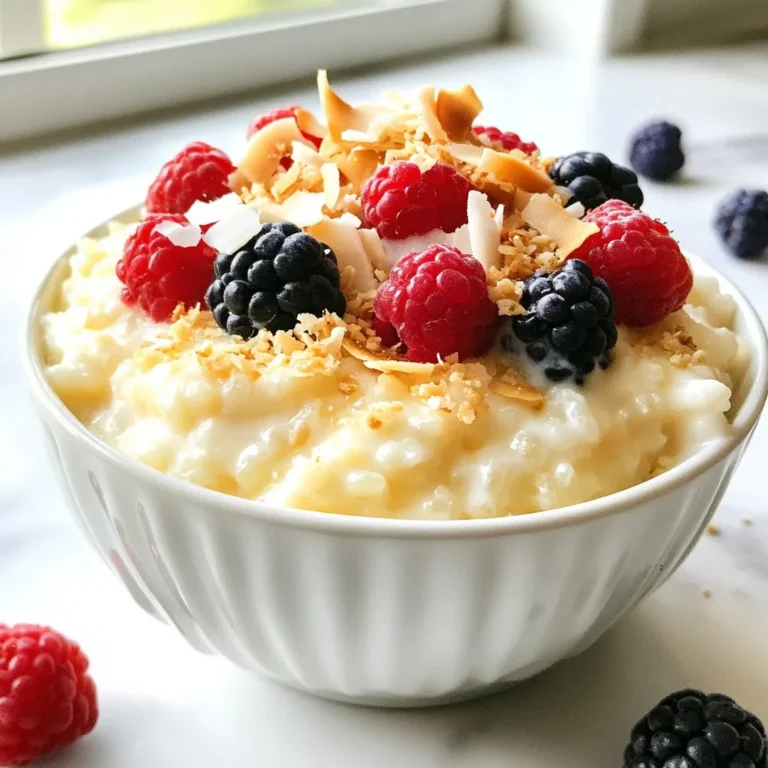
- 1 cup Arborio rice - 4 cups whole milk - 1 cup coconut milk - 1 vanilla bean (split and seeds scraped) - 1/2 cup granulated sugar - 1/4 teaspoon salt - 1/2 teaspoon ground cinnamon (optional) - 1 teaspoon pure vanilla extract - Fresh berries for garnish - Toasted coconut flakes for garnish The key to great vanilla bean rice pudding starts with the right ingredients. Arborio rice gives a nice creaminess. Whole milk adds richness, while coconut milk brings a hint of tropical flavor. The vanilla bean is the star here. It has seeds that create those lovely specks in the pudding. You can also use vanilla extract if you can’t find a vanilla bean. Sugar and salt balance the flavors. Ground cinnamon adds warmth, but feel free to skip it if you prefer a pure vanilla taste. Fresh berries and toasted coconut flakes make for a beautiful garnish. They add color and a nice crunch. Gather these ingredients, and you're ready to create a cozy dessert that warms the soul. {{ingredient_image_1}} First, rinse the Arborio rice. Place it in a fine-mesh sieve. Rinse it under cold water. Keep rinsing until the water runs clear. This step removes extra starch. It helps the rice cook evenly. Next, combine the rinsed rice with the other ingredients in a large saucepan. Add 4 cups of whole milk and 1 cup of coconut milk. Then, split the vanilla bean and scrape out the seeds. Add both the seeds and the pod to the saucepan with the rice. Finally, stir in 1/2 cup of granulated sugar and 1/4 teaspoon of salt. Mix well to combine everything. Now, bring the mixture to a gentle boil over medium heat. Keep an eye on it to avoid boiling too hard. Once it boils, reduce the heat to low. This helps the rice cook slowly. Stir occasionally to prevent sticking. This is important to keep the rice from clumping together. Let it simmer gently for about 30 to 35 minutes. Stir occasionally to keep it smooth. The rice should become tender, and the pudding will thicken. If it gets too thick, just add a little more milk to loosen it up. When the rice is cooked, take the saucepan off the heat. Carefully remove the vanilla bean pod. Discard it, as it has done its job. Now, stir in 1/2 teaspoon of ground cinnamon, if you're using it. Add 1 teaspoon of pure vanilla extract for extra flavor. This will really boost the taste. Allow the pudding to cool slightly before serving. You can enjoy it warm or chilled. To get the right thickness in your rice pudding, you may need to add more milk. If your pudding gets too thick, just stir in a little whole or coconut milk. This keeps it creamy and smooth. Stirring is very important, too. Stir often while it cooks. This helps the rice cook evenly and stops it from sticking to the pan. For a beautiful presentation, serve the rice pudding in small bowls or dessert glasses. This adds a nice touch to your meal. Top each serving with fresh berries. Strawberries or blueberries look and taste great. You can also sprinkle toasted coconut flakes on top for added flavor. These toppings make the dish fun and colorful. Pro Tips Use Fresh Ingredients: For the best flavor, opt for fresh vanilla beans instead of vanilla extract. The aroma and taste will significantly enhance your rice pudding. Texture Control: If you prefer a creamier texture, stir in a little extra coconut milk or cream just before serving. This will add richness and smoothness. Perfect Rice Cooking: Make sure to stir the rice pudding frequently while it simmers. This prevents the rice from sticking to the bottom of the pan and ensures even cooking. Chill for Flavor: Allow the pudding to chill in the refrigerator for a few hours after cooking. The flavors will meld together beautifully as it cools. {{image_2}} You can change the flavor of your vanilla bean rice pudding easily. Try using different types of milk. Almond milk or oat milk work great. These milks will give the pudding a nutty taste. You can also add chocolate to the mix. Just stir in some cocoa powder or chocolate chips. Coffee lovers can add a bit of brewed coffee. This gives a nice deep flavor. If you want a vegan version, swap out the dairy milk. Use only coconut milk or any plant-based milk. This keeps it creamy and rich. For gluten-free options, this recipe is already safe. Arborio rice is naturally gluten-free. Just make sure all other ingredients are also gluten-free. These small changes let everyone enjoy this cozy dessert. To keep your vanilla bean rice pudding fresh, place it in an airtight container. This helps prevent it from absorbing other smells in the fridge. Let the pudding cool down first before putting it away. The pudding lasts about three to four days in the refrigerator. If you want to enjoy it later, make sure to check for any signs of spoilage before you eat. When you're ready to enjoy your pudding again, you can warm it up in a few ways. The simplest method is to use the microwave. Place your pudding in a bowl and heat it in short bursts. Stir between each burst to ensure even heating. If you prefer the stove, pour the pudding into a saucepan. Warm it over low heat, stirring gently. This will help keep it creamy. The texture might thicken after refrigeration. If it does, simply add a splash of whole milk or coconut milk. Stir well to get that creamy goodness back. Enjoy! Can I use regular rice instead of Arborio? You can use regular rice, but Arborio is best. Arborio rice is starchy. This starch makes the pudding creamy. Regular rice may not give you the same texture. If you want the best results, stick with Arborio. How do I know when the rice pudding is done? Rice pudding is done when the rice is soft and the mixture is thick. It usually takes about 30-35 minutes. Stir it often while it cooks. Check the texture after 30 minutes. If it's too thick, add some milk to loosen it. Is there a way to make this recipe ahead of time? Yes, you can make rice pudding ahead of time. Cook it and let it cool before storing. Place it in the fridge for up to three days. When you're ready to serve, reheat it gently on the stove. Add a little milk if needed to restore creaminess. This article covered how to make a delicious rice pudding using simple ingredients. I discussed main ingredients like Arborio rice, whole milk, and coconut milk. You learned step-by-step instructions for preparing and cooking the rice. I shared tips for perfect texture and serving suggestions. Variations allow you to experiment with flavors and dietary needs. Finally, I provided storage and reheating tips to enjoy your pudding later. With these insights, you can now create a perfect bowl of rice pudding tailored to your taste. Enjoy every bite!
Desserts
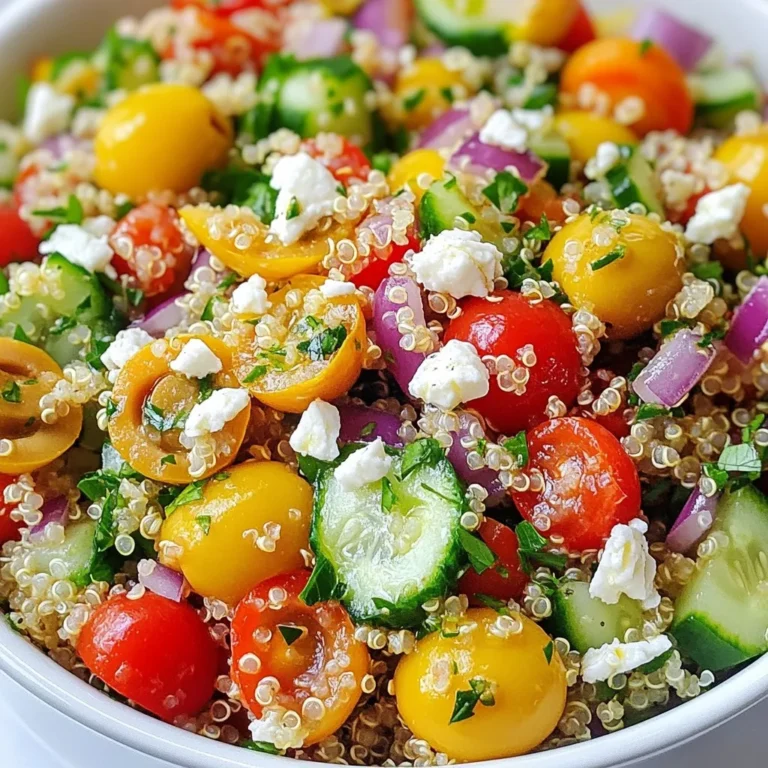
- 1 cup quinoa, rinsed - 2 cups vegetable broth (or water) - 1 cup cherry tomatoes, halved - 1 cucumber, diced - 1 bell pepper (red or yellow), diced - 1/2 red onion, finely chopped - 1/2 cup Kalamata olives, pitted and sliced - 3 tablespoons olive oil - 2 tablespoons lemon juice - 1 teaspoon dried oregano - Salt and pepper to taste - Fresh parsley, chopped for garnish The main ingredients of this salad create a fresh blend. Quinoa serves as the base. It is high in protein and gluten-free. The cherry tomatoes give a sweet burst. Cucumbers add crunch and hydration. Bell peppers bring sweetness and color. Red onion gives a nice bite. Kalamata olives add depth and saltiness. - 1/4 cup feta cheese, crumbled (optional) Feta cheese can enhance the taste. It adds a creamy texture and tang. You can skip it for a lighter dish. - Quinoa: High in protein and fiber. It helps keep you full. - Vegetable broth: Adds flavor without extra calories. - Cherry tomatoes: Rich in vitamins C and K. They support skin health. - Cucumber: Hydrating and low in calories. Great for weight loss! - Bell pepper: High in vitamins A and C. Good for your immune system. - Red onion: Contains antioxidants. They may reduce heart disease risk. - Kalamata olives: Provide healthy fats. They support heart health. - Olive oil: Contains healthy monounsaturated fats. Good for your overall health. - Lemon juice: High in vitamin C. It boosts your immune system. - Dried oregano: May have anti-inflammatory properties. - Fresh parsley: Adds vitamins A, C, and K. It helps with digestion. This salad not only tastes great but also gives your body what it needs. The mix of colors and textures makes it fun to eat! {{ingredient_image_1}} Start by boiling two cups of vegetable broth or water in a medium saucepan. Once it boils, add one cup of rinsed quinoa. Cover the pot and lower the heat. Let it simmer for about 15 minutes. The quinoa will be fluffy when ready. Remove it from heat and let it cool for a few minutes. While the quinoa cools, grab a large bowl. Add one cup of halved cherry tomatoes, one diced cucumber, one diced bell pepper, and half a finely chopped red onion. If you love salty flavors, add half a cup of sliced Kalamata olives. For extra creaminess, sprinkle in a quarter cup of crumbled feta cheese. In a small bowl, mix three tablespoons of olive oil and two tablespoons of lemon juice. Add one teaspoon of dried oregano, salt, and pepper to taste. Whisk it together until all the ingredients blend well. This dressing brings all the flavors together. Once the quinoa has cooled, fluff it with a fork. Add the quinoa to your bowl of veggies. Pour the dressing over the quinoa salad. Toss everything gently so the dressing coats all the ingredients. Taste the salad and adjust the seasoning if needed. Let the salad sit for 10-15 minutes. This helps the flavors meld. Serve it chilled or at room temperature. Garnish with fresh parsley on top for a nice look. To get the best quinoa, rinse it well. This removes bitter saponins. Boil your vegetable broth or water before adding. Once you add the quinoa, cover it quickly. Cook on low heat for about 15 minutes. The quinoa should be fluffy when done. Let it cool a bit before mixing it with the veggies. Use fresh herbs for more flavor. Fresh parsley adds a bright taste. You can also try fresh mint for a unique twist. Don’t forget to taste your salad as you go. Adjust salt and pepper to your liking. A squeeze of extra lemon juice can add great zest too. Serve your salad in a large bowl for family style. You can also use small glass cups for individual servings. This makes everything look fancy. Top with a sprinkle of feta cheese and parsley. A drizzle of olive oil right before serving adds a nice touch. Enjoy the colors and textures; it’s a feast for the eyes! Pro Tips Rinse Your Quinoa: Always rinse quinoa under cold water before cooking. This removes the natural coating called saponin, which can make it taste bitter. Chill for Flavor: Allow the salad to chill in the refrigerator for at least 15 minutes before serving. This helps the flavors to meld and enhances the overall taste. Customize Your Veggies: Feel free to swap out or add in any vegetables you prefer! Bell peppers, olives, and cucumbers are versatile, but you can include veggies like zucchini or spinach for extra nutrition. Perfect Dressing Balance: Taste the dressing before pouring it over the salad. Adjust the lemon juice, olive oil, or seasoning to suit your taste preferences for a perfect balance. {{image_2}} You can boost protein in your salad with chickpeas or grilled chicken. Chickpeas are a great plant-based choice. Just rinse and drain a can and mix them in. They add a nice texture and flavor. If you love meat, grilled chicken works well too. Dice up cooked chicken and fold it into the salad. This makes your meal more filling and satisfying. To make this salad vegan and dairy-free, simply skip the feta cheese. The salad still tastes great without it. You can also add extra olives or avocado for creaminess. Both options add rich flavors and healthy fats. Use a splash of apple cider vinegar or tahini for a yummy dressing twist. This keeps your salad tasty and vegan-friendly. Switching ingredients with the seasons keeps this salad fresh. In spring, toss in some peas or asparagus for crunch. In summer, try adding corn or zucchini for sweetness. Fall brings roasted butternut squash, which adds warmth. In winter, you can use hearty greens like kale or spinach. These swaps let you enjoy new flavors all year round while keeping things exciting. To store leftover Mediterranean quinoa salad, place it in an airtight container. Make sure to cover it tightly to keep out air. This will help maintain its freshness. You can store it in the fridge for easy access. The salad stays fresh for about 3 to 5 days in the fridge. After this time, the vegetables may lose their crunch. If you notice any odd smells or changes in texture, it's best to discard it. I recommend serving this salad cold for the best flavor. If you prefer warm quinoa, gently heat just the quinoa part. Avoid reheating the whole salad, as it can make the veggies soft. Instead, enjoy the fresh taste straight from the fridge! Quinoa takes about 15 minutes to cook. Start by boiling vegetable broth or water. Once boiling, add rinsed quinoa. Cover the pot and lower the heat. Let it simmer until the quinoa is fluffy, and the liquid is gone. Yes, you can make this salad ahead of time. It tastes even better after sitting. Just store it in the fridge for up to three days. This allows the flavors to mix nicely. Yes, Mediterranean Quinoa Salad is gluten-free. Quinoa itself is a gluten-free grain. All other ingredients, like veggies and olives, are also gluten-free. This makes it a great choice for those with gluten sensitivities. Mediterranean quinoa salad is a tasty, healthy dish full of fresh flavors. We explored key ingredients and their benefits, offering helpful tips for perfecting your salad. You learned simple steps to prepare it and exciting variations to try. Don’t forget how to store any leftovers to keep them fresh. This salad is quick, easy, and full of life. Try it, and enjoy the bright tastes and nutrition it brings. Eating well can be fun and simple!
Dinner
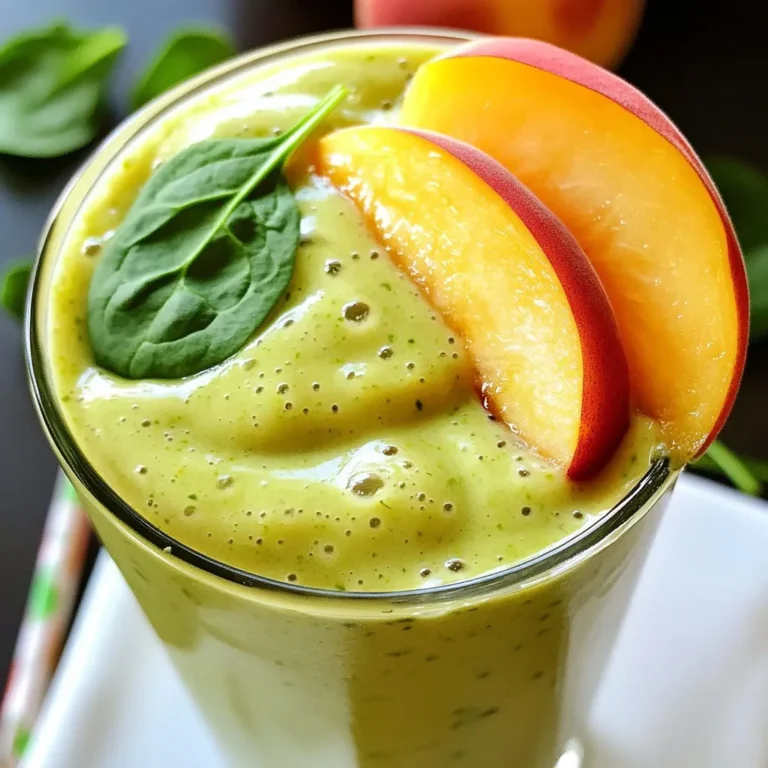
- 1 ripe peach, pitted and diced - 1 banana, sliced - 1 cup fresh spinach leaves To start, you need a ripe peach. Choose a peach that feels soft but not mushy. Next, slice a banana. Bananas add creaminess and natural sweetness. Fresh spinach leaves are a must. They pack nutrients without changing the taste much. - 1-inch piece of ginger, peeled and grated - 1 tablespoon honey or maple syrup (optional) Ginger is the star of this smoothie. It adds a spicy kick that wakes up your taste buds. Grate about an inch piece for the best flavor. If you want your smoothie sweeter, add honey or maple syrup to taste. This step is totally up to you. - 1 cup coconut water or almond milk For the liquid base, use coconut water for a refreshing taste. It’s packed with electrolytes. Almond milk is another great choice, giving a creamy texture without dairy. Both options work well in this recipe. - 1 tablespoon chia seeds (optional) - Ice cubes (optional, for a thicker smoothie) Chia seeds are a fun add-in. They boost fiber and omega-3s. If you want a thicker smoothie, toss in some ice cubes. This will help create a nice, cold drink that’s perfect for hot days. {{ingredient_image_1}} 1. Start by dicing the ripe peach into small pieces. Use a sharp knife to remove the pit first. 2. Slice the banana into rounds. This makes it easier to blend and adds creaminess. 3. Rinse the fresh spinach leaves under cold water. Shake off excess water before use. 4. Peel the ginger and grate it finely. This releases its strong flavor, which is key to the smoothie. 1. In your blender, add the diced peach, sliced banana, and fresh spinach leaves. 2. Next, add the grated ginger for that spicy kick. 3. Pour in your choice of coconut water or almond milk. This helps blend everything smoothly. 4. If you want a thicker smoothie, toss in some ice cubes. 5. Blend on high speed until creamy and well combined. 6. Taste your smoothie. If it needs more sweetness, add honey or maple syrup. 7. If you’re using chia seeds, stir them in now and blend for 10 more seconds. 1. Pour the smoothie into chilled glasses to keep it cool. 2. For a nice touch, garnish with a slice of peach on the rim. 3. You can also add a few spinach leaves for color. Enjoy your drink with a reusable straw! To get the right texture, start with fresh ingredients. Blend until smooth and creamy. If you want a thicker smoothie, add ice cubes. For a thinner drink, use more coconut water or almond milk. Always blend well to ensure everything mixes nicely. Taste your smoothie after blending. You might want it sweeter. If so, add a little honey or maple syrup. Blend again to mix in the sweetener. It’s all about finding the right balance for your taste. If you don’t have coconut water, use any fruit juice or plain water. Almond milk can be swapped with oat milk or regular milk. For sweeteners, try agave syrup or stevia instead of honey. These swaps keep your smoothie tasty and fun! Pro Tips Choose Ripe Peaches: The sweetness and flavor of your smoothie greatly depend on the ripeness of the peaches. Look for peaches that are slightly soft to the touch and have a fragrant aroma. Adjust Ginger to Taste: Ginger adds a spicy kick to your smoothie. Start with a small amount and gradually add more to suit your personal preference. Use Frozen Bananas: For a creamier and colder smoothie, consider using frozen banana slices instead of fresh. This will enhance the texture without needing extra ice. Nut Milk Alternatives: If you’re looking for a creamier alternative to coconut water, try using oat milk or cashew milk for a nutty flavor that pairs well with peach and ginger. {{image_2}} You can mix up your Ginger Peach Green Smoothie with many fruits. Mango adds a tropical twist. Try berries like strawberries or blueberries for a sweet touch. Each fruit brings unique flavors. This lets you find your perfect blend. While spinach gives a mild taste, you can switch it up with kale. Kale adds a stronger flavor and more nutrients. Other leafy greens like Swiss chard or arugula work well too. Experiment to see what you like best. This smoothie can fit many diets. For a vegan option, skip honey and use maple syrup. If you're watching sugar, reduce or leave out sweeteners. You can also use unsweetened almond milk for fewer calories. Customize it to suit your needs. To keep your Ginger Peach Green Smoothie fresh, store any leftovers in a sealed jar. Use a glass jar if possible. This will help keep air out and reduce browning. You can store it in the fridge for up to 24 hours. If you want to freeze ingredients, chop your peaches and bananas ahead of time. Place them in freezer bags and remove as much air as possible before sealing. This keeps them fresh and ready for your next smoothie. For the best taste, drink your smoothie within a few hours of making it. If you store it, aim to consume it within one day. The flavors meld and improve if you drink it fresh. The longer it sits, the more the colors may change, and the taste might fade. If your smoothie sits too long, it may separate. Simply give it a quick stir or reblend before enjoying. Add a splash of coconut water or almond milk if it feels too thick. This will bring back that smooth and creamy texture. Blend until it’s well mixed, and enjoy your refreshing drink! To make a Ginger Peach Green Smoothie, follow these steps: 1. Prepare the fruit: Dice one ripe peach and slice one banana. 2. Get the greens ready: Measure one cup of fresh spinach leaves. 3. Grate the ginger: Take a 1-inch piece of ginger, peel it, and grate it. 4. Combine in a blender: Add the peach, banana, spinach, and grated ginger to your blender. 5. Add sweetness: If you like, add one tablespoon of honey or maple syrup. 6. Pour in the liquid: Add one cup of coconut water or almond milk. 7. Add ice for thickness: If you want a thicker smoothie, toss in some ice cubes. 8. Blend: Blend all ingredients on high speed until smooth and creamy. 9. Taste and adjust: Taste the smoothie and adjust the sweetness or ginger level if needed. 10. Add chia seeds: If using, stir in one tablespoon of chia seeds and blend for ten more seconds. 11. Serve: Pour the smoothie into chilled glasses and enjoy right away! Ginger has many health benefits, making it a great addition to your smoothie: - Aids digestion: Ginger helps soothe your stomach and can ease nausea. - Reduces inflammation: It contains compounds that help lower inflammation in the body. - Boosts immunity: Ginger can strengthen your immune system and help fight off illness. - Adds flavor: Beyond health, ginger gives your smoothie a spicy kick that pairs well with peach. Yes, you can make this smoothie ahead of time. Here are the best practices: - Storage: Pour the smoothie into a sealed container and store it in the fridge. - Best time frame: For the best taste, drink it within 24 hours. - Reblending: If it separates, just give it a quick blend before drinking again. Yes, you can use frozen fruit in this smoothie. Here’s how: - Benefits of frozen fruit: Frozen fruit is often picked at peak ripeness and can be just as nutritious. - Adjusting liquid: You might need to add a bit more coconut water or almond milk to help it blend. - Thicker texture: Frozen fruit will make your smoothie thicker and colder, which is perfect for warm days. In this blog post, I shared how to make a Ginger Peach Green Smoothie. We explored the fresh ingredients you need, like ripe peaches and fresh spinach. I detailed preparation steps and blending instructions for perfect consistency. I also discussed tips for adjusting sweetness and offered variations for different diets. Smoothies are a fun and tasty way to boost your health. Try this recipe and experiment with your own twists! Enjoy the process of creating something delicious and nutritious.
Drinks

LATEST RECIPES

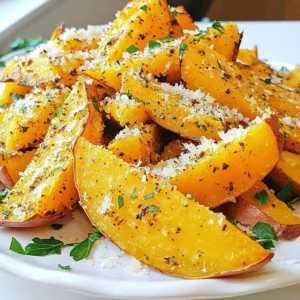
Garlic Parmesan Sweet Potato Wedges Tasty and Easy

Garlic Parmesan Sweet Potato Wedges Tasty and Easy

Read More
Sweet Soy Garlic Wings Irresistibly Delicious Recipe

Sweet Soy Garlic Wings Irresistibly Delicious Recipe

Read More
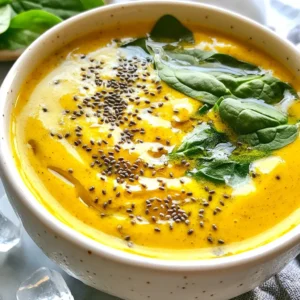
Turmeric Ginger Immunity Smoothie Healthy and Tasty

Turmeric Ginger Immunity Smoothie Healthy and Tasty

Read More
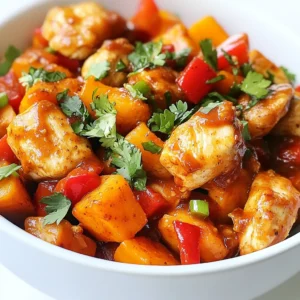
BBQ Chicken Sweet Potato Skillet Easy Weeknight Meal

BBQ Chicken Sweet Potato Skillet Easy Weeknight Meal

Read More
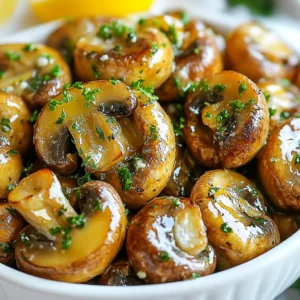
Garlic Butter Mushrooms Savory and Simple Recipe

Garlic Butter Mushrooms Savory and Simple Recipe

Read More
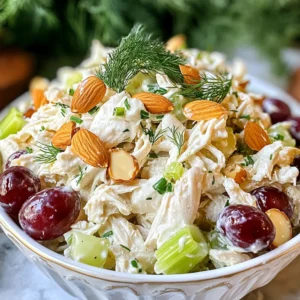
Greek Yogurt Chicken Salad Fresh and Healthy Meal

Greek Yogurt Chicken Salad Fresh and Healthy Meal

Read More
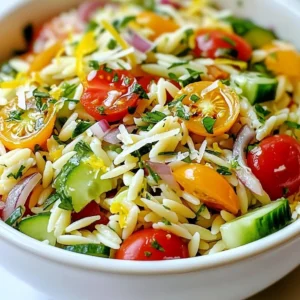
Lemon Parmesan Orzo Salad Refreshing and Light Dish

Lemon Parmesan Orzo Salad Refreshing and Light Dish

Read More
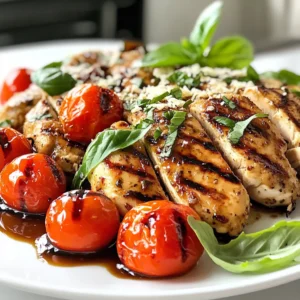
Balsamic Glazed Chicken Flavorful Grilled Delight

Balsamic Glazed Chicken Flavorful Grilled Delight

Read More
Chocolate Chip Banana Snack Cake Simple and Tasty Treat

Chocolate Chip Banana Snack Cake Simple and Tasty Treat

Read More
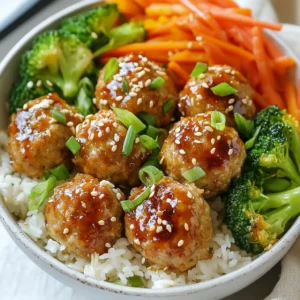
Teriyaki Meatball Rice Bowls Flavorful and Simple Meal

Teriyaki Meatball Rice Bowls Flavorful and Simple Meal

Read More
Teriyaki Chicken Meatballs Delicious and Easy Recipe

Teriyaki Chicken Meatballs Delicious and Easy Recipe

Read More
Creamy Coconut Lime Chicken Flavorful Dinner Recipe

Creamy Coconut Lime Chicken Flavorful Dinner Recipe

Read More

1 … 48 49 50 51 >>
Hi, I'm Elizabeth!

Hi, I'm Elizabeth!

I’m so happy youre here!

I hope you find all kinds of recipes that appeal to fdgyou while you're here. Whether it's family friendly meals, healthy recipe ideas, or sinful desserts you're looking for, I've got a few that you might like!

MORE ABOUT ME
Minute Spicy Chili Garlic Shrimp Noodles Delight
LET'S GET COOKING!

Minute Spicy Chili Garlic Shrimp Noodles Delight

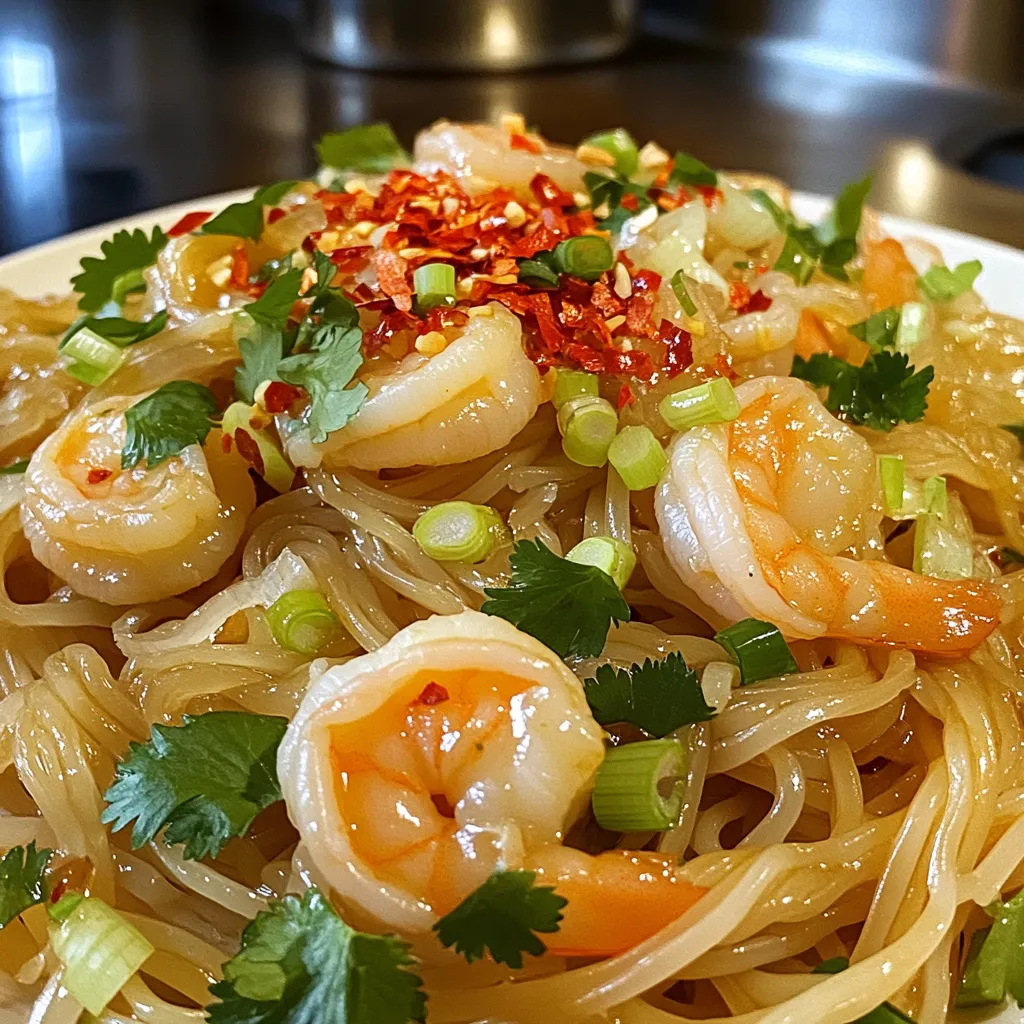
Craving a quick and tasty meal? Look no further than Minute Spicy Chili Garlic Shrimp Noodles! This dish is packed with flavor and comes together...

Read Full Recipe →
quick dish kitchen

explore

DessertsDinnerAppetizersDrinks

Our Policies

  • Cookie Policy
  • Copyright Policy
  • Disclaimer
  • GDPR Policy
  • Terms Of Use
Back to Top
  • About
  • Contact Us
  • Privacy Policy
© 2025 quick dish kitchen