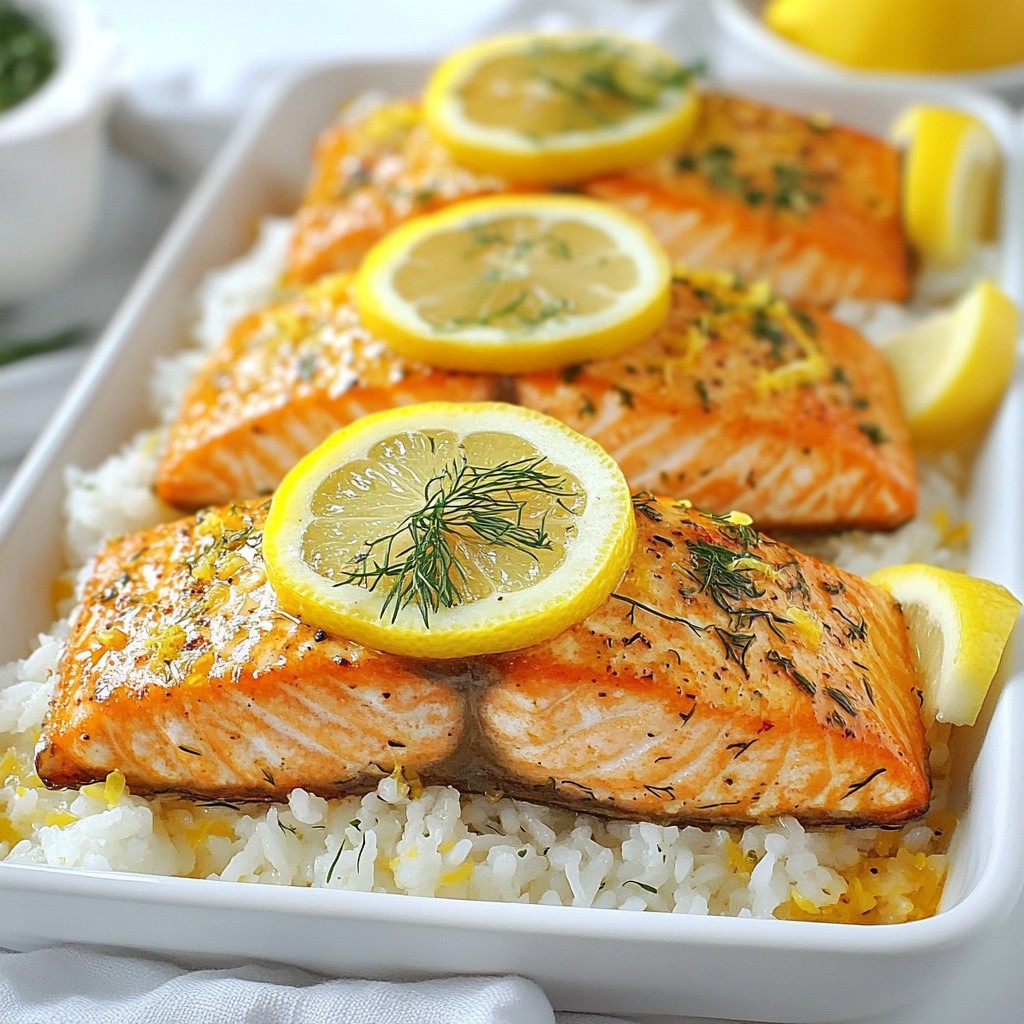
Looking for a tasty yet budget-friendly meal? My Low-Cost Baked Lemon Dill Salmon Fillets are the perfect answer! This recipe is full of fresh flavor and easy to make. With just a few simple ingredients, you can impress your family or enjoy a healthy dinner alone. Ready to dive into this delicious dish without breaking the bank? Let’s get started!
Why I Love This Recipe
- Fresh and Zesty Flavor: This recipe features the bright and refreshing taste of lemon combined with the aromatic dill, making each bite a burst of flavor.
- Quick and Easy Preparation: With just a few simple steps, you can have a delicious meal ready in under 35 minutes, perfect for busy weeknights.
- Healthy and Nutritious: Salmon is packed with omega-3 fatty acids and protein, offering a healthful option that doesn’t compromise on taste.
- Budget-Friendly: This low-cost recipe uses affordable ingredients while still delivering a gourmet experience, making it accessible for everyone.
Ingredients
Main Ingredients for Salmon
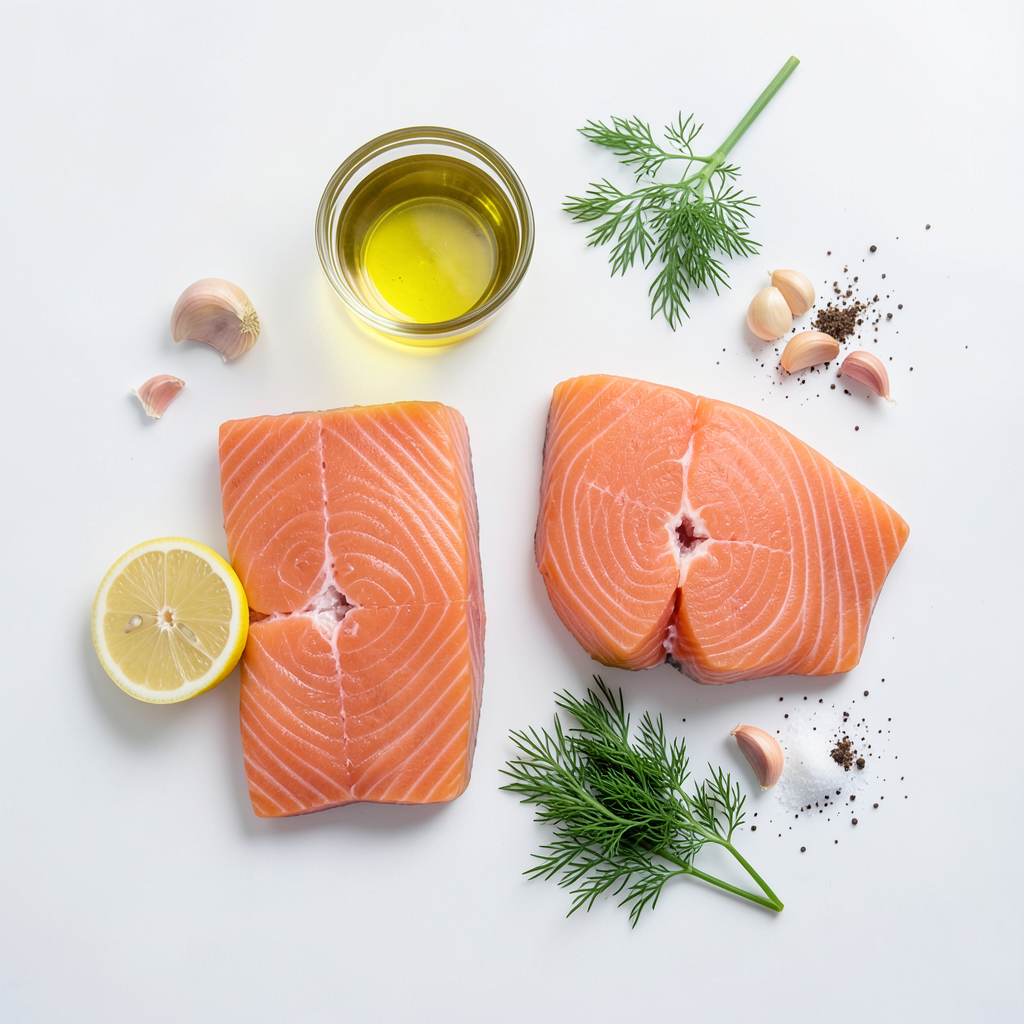
- 4 salmon fillets (approximately 6 oz each)
- 2 tablespoons olive oil
- 1 tablespoon fresh dill (or 1 teaspoon dried dill)
Additional Ingredients
- 2 lemons (1 juiced and 1 sliced)
- 3 cloves garlic, minced
- Salt and pepper to taste
Optional Garnishes
- Fresh parsley
In this recipe, salmon fillets serve as the star. You want fresh fillets that are firm and moist. Olive oil adds richness and helps keep the fish tender. Dill gives a lovely, fragrant touch. Whether you use fresh or dried dill, both work well.
Next, lemons provide a bright flavor that balances the dish. Juicing one lemon adds zing, while the slices on top keep the salmon moist. Garlic gives a depth of flavor. Season with salt and pepper to bring all the tastes together.
For a finishing touch, fresh parsley works great as a garnish. It adds color and freshness to your plate. This simple yet flavorful set of ingredients makes for a delightful meal that won't break the bank.
Step-by-Step Instructions
Preparing Your Oven and Dish
1. Preheat your oven to 400°F (200°C). This step is key for even cooking.
2. Lightly grease a baking dish with one tablespoon of olive oil. This helps keep the fish from sticking.
Making the Marinade
1. In a small bowl, mix together the olive oil, juice from one lemon, minced garlic, fresh dill, salt, and pepper. Stir until well combined.
2. Place the salmon fillets in the greased baking dish. Pour the marinade over each fillet. Make sure they are fully coated for the best flavor.
Marinating and Baking
1. Let the salmon marinate for about 15 minutes. This adds flavor while the oven heats up.
2. After marinating, place lemon slices on each salmon fillet. This adds more flavor and moisture.
3. Bake the salmon in the preheated oven for 15 to 20 minutes. It’s done when it flakes easily with a fork. Enjoy the aroma!
Tips & Tricks
Achieving the Best Flavor
To enhance the marinade, use fresh lemon juice. Fresh juice packs more flavor than bottled. You can also add some zest from the lemon peel for a punchy taste. For a twist, try adding a pinch of red pepper flakes to give it a slight kick.
The recommended cooking time for salmon is 15 to 20 minutes at 400°F. Check the fish at 15 minutes. Cooking time can vary with thickness. A thicker fillet may need a bit longer.
Cooking Techniques
To check doneness, use a fork to gently flake the salmon. If it flakes easily, it's done. The fish should look opaque and not translucent.
To prevent overcooking, keep an eye on the time. If you have a thicker piece, consider lowering the temperature to 375°F. This slower cook can help keep it moist.
Budget-Friendly Tips
For affordable salmon, check local grocery stores and fish markets. Buying in bulk can also save money. Look for sales or frozen options which are often cheaper.
For substitutions, you can use any firm white fish like tilapia or cod. They cook similarly and can take on the same marinade flavors, keeping your meal budget-friendly.
Pro Tips
- Choose Fresh Salmon: Look for bright, moist fillets with a fresh ocean scent. Fresh salmon will yield the best flavor and texture.
- Don’t Overcook: Keep an eye on the salmon while it bakes; it’s done when it flakes easily with a fork. Overcooking can lead to dry fish.
- Experiment with Herbs: While dill is a classic pairing with salmon, feel free to experiment with other herbs like thyme or basil for a different flavor profile.
- Let it Rest: After baking, let the salmon rest for a few minutes before serving. This allows the juices to redistribute, keeping the fish moist.
Variations
Ingredient Swaps
You can easily change the herbs in this recipe. Try using thyme or basil instead of dill. Each herb gives the salmon a new twist. If you want a bolder flavor, go for fresh herbs. Dried herbs work well, too. Just use less since they are stronger.
You can also swap out the olive oil. Try avocado oil or melted butter. Each oil adds a unique taste. Avocado oil has a nice, light flavor. Butter adds richness that many love.
Cooking Methods
You can grill the salmon instead of baking it. Grilling gives the fish a smoky flavor. Preheat your grill to medium heat. Cook the salmon for about 6-8 minutes per side. Watch it closely to avoid overcooking.
Broiling is another great option. Set your oven to broil and place the salmon on the top rack. This method cooks the fish quickly and gives it a nice, crispy top. Broil for about 5-7 minutes, checking for doneness.
Serving Suggestions
For a tasty meal, serve the salmon with steamed rice. The rice soaks up the lemon dill flavor. You can also pair it with a fresh garden salad. A salad adds crunch and freshness to your plate.
For a twist, try roasted vegetables as a side. Carrots, asparagus, or green beans work well. They add color and nutrition to your meal. Don't forget to add a lemon wedge for extra brightness!
Storage Info
Storing Leftovers
To store your baked lemon dill salmon, let it cool first. Place the salmon in a clean, airtight container. You can use glass or plastic containers. Make sure the lid seals tight to keep out air. Refrigerate the salmon within two hours of cooking. Enjoy your leftovers within three days for the best taste.
Reheating Tips
When reheating salmon, avoid drying it out. You can use the oven or microwave. If using an oven, set it to 275°F (135°C). Place the salmon in a baking dish and cover it with foil. This keeps moisture in. Heat for about 15 minutes. If using a microwave, use a medium setting. Heat for one minute at a time, checking often.
Freezing Options
Yes, you can freeze baked salmon. Wrap each fillet tightly in plastic wrap. Then, place the wrapped salmon in a freezer bag. Remove as much air as possible before sealing. This helps prevent freezer burn. You can freeze it for up to three months. To thaw, move the salmon to the fridge overnight.
FAQs
Common Questions About Salmon
How long to bake salmon for tenderness? Bake salmon fillets for 15 to 20 minutes at 400°F (200°C). The fish should be opaque and flake easily. If you like it more tender, check it at 15 minutes.
Can I use frozen salmon fillets for this recipe? Yes, you can use frozen salmon fillets. Just thaw them completely before baking. This ensures even cooking and better flavor.
Nutritional Information
How healthy is baked salmon? Baked salmon is very healthy. It is rich in protein and omega-3 fatty acids. These nutrients can help your heart and brain.
What are the benefits of dill and lemon? Dill adds flavor and may help digestion. Lemon gives a fresh taste and is high in vitamin C. Together, they make salmon even better for you.
Cooking Challenges
What to do if the salmon is overcooked? If your salmon is overcooked, add a drizzle of olive oil. This can help add moisture. You can also serve it with a sauce to make it taste better.
How to fix a too-salty marinade? If your marinade is too salty, add a squeeze of lemon juice. You can also add some honey or a little water. This helps balance the saltiness and enhance the flavor.
In this blog post, we covered the key ingredients and steps to create tasty baked salmon. I shared tips for flavor, cooking techniques, and even budget-friendly advice. Remember, you can customize the recipe with different herbs and methods. Don’t forget to store leftovers properly for the next day. With these insights, you'll enjoy cooking salmon like a pro. Keep experimenting, and soon you'll find your favorite version!